
Sports
The SerpentRogue Competitive Edge: Mastery Guide

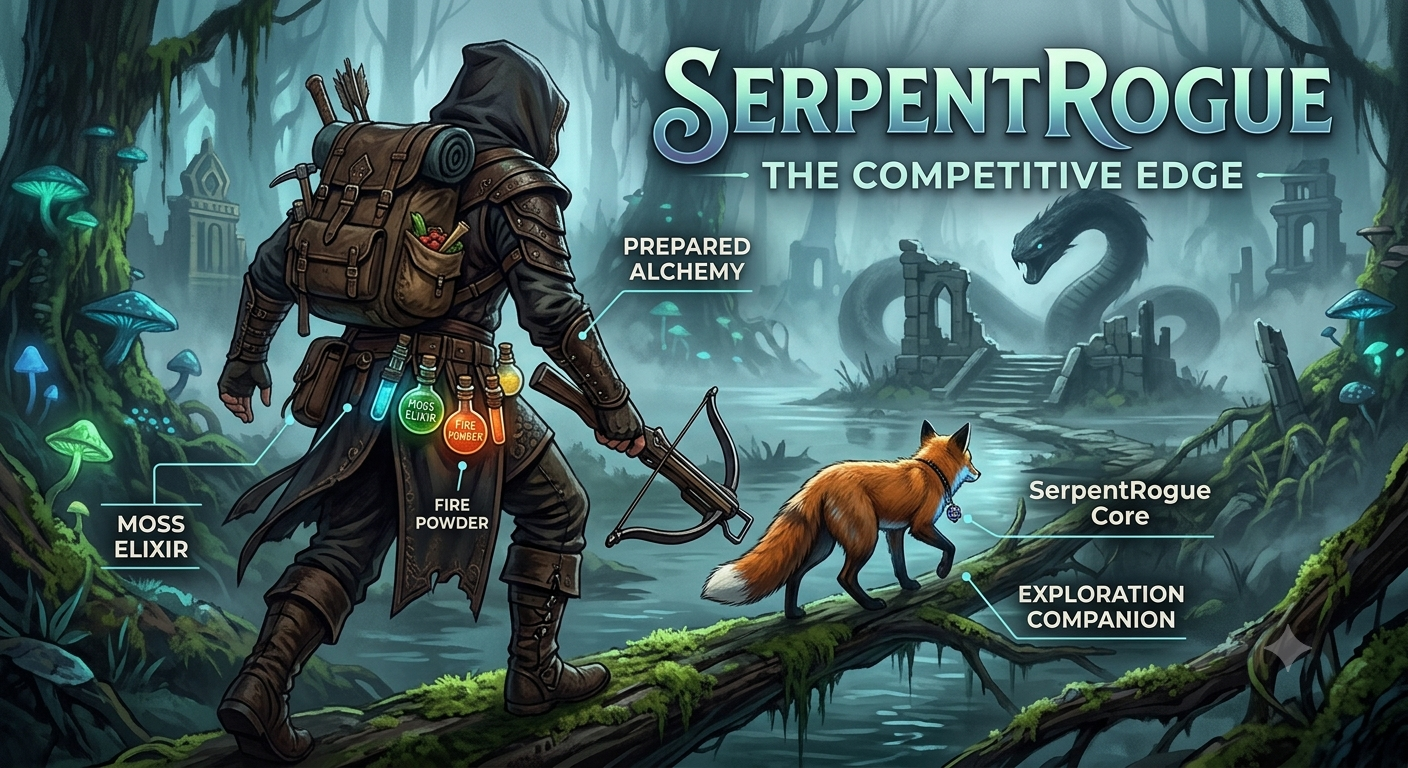
The serpentrogue competitive edge does not come from faster attacks, stronger equipment, or flawless reflexes. It comes from understanding how the game’s interconnected systems react to your decisions.
Officially titled The Serpent Rogue, this single-player action-adventure places you in the role of the Warden. Your success depends on researching ingredients, creating potions, exploring dangerous locations, taming creatures, and managing the consequences of your actions.
Quick Answer: The serpentrogue competitive edge means using alchemy, preparation, observation, companions, and environmental knowledge more efficiently. It is a strategic advantage rather than an official perk, multiplayer rank, or competitive game mode.
What Does the SerpentRogue Competitive Edge Mean?
The official game does not feature traditional player-versus-player competition. Steam lists The Serpent Rogue as a single-player experience built around crafting, exploration, sandbox systems, and creature interaction.
“Competitive edge” therefore describes the advantage experienced players create through better decisions. They understand ingredient properties, recognize environmental risks, prepare before difficult encounters, and avoid wasting valuable resources.
The strongest players do not simply react faster. They create situations where fewer reactions are necessary.
The Serpent Rogue Quick Facts
| Category | Details |
|---|---|
| Official title | The Serpent Rogue |
| Developer | Sengi Games |
| Publisher | Team17 |
| Release date | April 26, 2022 |
| Main genre | Action-adventure, RPG, sandbox |
| Core mechanic | Researching ingredients and crafting potions |
| Supporting systems | Exploration, creature taming, transformations, quests |
| Competitive format | Single-player, not PvP |
| Real strategic advantage | Knowledge, preparation, adaptability, and efficiency |
The game was developed by Sengi Games and published by Team17. It launched on PC and consoles with an emphasis on alchemy, exploration, randomized conditions, and cause-and-effect gameplay.
Why Alchemy Creates the Biggest Advantage
Alchemy is not a secondary crafting activity in The Serpent Rogue. Team17 describes it as one of the game’s central mechanics and states that mastering it is pivotal to the Warden’s success.
Every researched ingredient expands your options. A player with broad recipe knowledge can approach the same problem through healing, transformation, environmental manipulation, direct damage, or tactical support.
Research Before You Experiment Recklessly
Randomly combining everything you collect may occasionally produce a useful discovery. However, uncontrolled experimentation can consume ingredients that would provide greater value later.
Adopt a simple research process:
- Collect unfamiliar ingredients during safer exploration.
- Study their properties before committing large quantities.
- Test combinations using common materials first.
- Record useful recipes mentally or through available game information.
- Reserve rare ingredients for clearly defined purposes.
This approach turns experimentation into steady progression rather than expensive guesswork.
Build a Small Set of Reliable Potions
Knowing every possible recipe is useful, but carrying a dependable core selection is more practical. Your standard preparation should address the problems you face most frequently.
Focus on maintaining options for:
- Recovering from damage or harmful effects
- Weakening dangerous enemies
- Creating distance during crowded encounters
- Supporting exploration or environmental interaction
- Transforming when another form provides a clear advantage
A compact and purposeful loadout usually delivers more value than an inventory filled with unrelated mixtures.
Prepare Potions Before Entering Danger
The worst time to consider your recipe options is after an enemy has already closed the distance. Craft essential supplies before entering corrupted or unfamiliar areas.
Preparation reduces panic and protects your ingredients. It also allows you to choose a strategy based on the encounter instead of desperately using whatever remains available.
Explore for Information, Not Just Loot
Exploration in The Serpent Rogue reveals ingredients, rare materials, quests, secret routes, environmental hazards, and creature behavior. The official description encourages players to examine the map carefully and uncover hidden passages while expanding the Warden’s knowledge.
Experienced players treat every new location as an information-gathering opportunity. Loot matters, but understanding what occupies the area often matters more.
Scout Before Committing
Do not immediately attack the first creature or enemy you encounter. Observe the area and identify possible escape routes, useful objects, additional threats, and valuable resources.
A brief scouting pass can answer several important questions:
- How many enemies are nearby?
- Can any of them be avoided or outrun?
- Is there enough space to fight safely?
- Could a potion change the environment?
- Is the expected reward worth the resources required?
Retreating after collecting information is not failure. It is preparation for a more efficient return.
Expect the World to Change
Storms can randomize locations and items within the game world. This means a previously successful route may not remain identical forever.
Avoid depending on one perfect path. Build flexible routines that help you identify replacement resources when familiar locations change.
Search Beyond the Obvious Route
Players who rush directly toward visible objectives often miss useful ingredients, alternative passages, and environmental advantages. Explore edges, blocked-looking areas, and spaces that appear disconnected from the main route.
Thorough exploration increases your knowledge even when it produces no immediate reward. That knowledge can save supplies during later journeys.
Master the Cause-and-Effect System
One of the most distinctive parts of The Serpent Rogue is its reactive world. Actions can create consequences that continue developing after the original decision.
Leaving food or excessive items in an area can attract vermin. Failing to bury bodies can attract ghouls, while gathering too many creatures together can draw dangerous reapers.
Maintain Important Areas
Do not treat safe locations as permanent storage rooms without limits. Regularly review what you have left behind and remove unnecessary clutter.
Basic environmental discipline includes:
- Storing resources intentionally
- Avoiding large piles of exposed items
- Removing or burying bodies
- Limiting excessive creature concentration
- Checking important areas after major expeditions
These actions prevent small management mistakes from becoming larger threats.
Use Consequences as Strategic Tools
Cause and effect should not only be feared. Once you understand a system, you can sometimes incorporate its predictable results into your planning.
Ask three questions before manipulating the environment:
- What will this action attract or change?
- Can that reaction harm another threat?
- Do I have a safe route if the result becomes uncontrollable?
The best environmental tactic creates an advantage without introducing a greater danger.
Choose the Right Combat Solution
The game allows enemies to be confronted through direct combat, timed potion use, creature assistance, or avoidance. Team17 specifically highlights these multiple approaches as a defining part of the experience.
Your competitive edge comes from selecting the least expensive reliable solution. Winning a fight means little when it consumes every useful potion and leaves you unprepared for the next area.
Use Direct Combat Selectively
Weapons are useful, but not every opponent deserves a prolonged melee exchange. Direct combat works best when the enemy is isolated, predictable, and unlikely to drain critical supplies.
Before attacking, compare the expected reward against:
- Potential health loss
- Weapon or tool usage
- Potion consumption
- Exposure to additional enemies
- Time spent inside a hazardous area
Unnecessary battles create risk without meaningful progression.
Control Space During Fights
Positioning often matters more than aggression. Avoid fighting where multiple enemies can surround you or where environmental objects restrict movement.
Whenever possible:
- Pull one threat away from a group
- Keep an escape route behind you
- Fight near open space
- Avoid chasing enemies into unknown territory
- Reposition instead of trading repeated hits
Creating space gives you time to use potions, change tactics, or retreat.
Leave When the Situation Changes
A good plan can become dangerous when another enemy appears, your supplies run low, or the environment shifts. Continuing only because you already started the encounter is a common mistake.
Set a retreat condition before engaging. For example, leave when your health reaches a chosen threshold or when additional threats enter the area.
Turn Creatures Into Strategic Assets
The Warden can tame and befriend creatures that assist with scavenging and combat. Available companions range from smaller animals to considerably more powerful beings.
Companions provide more than additional damage. They can divide enemy attention, support resource collection, and make dangerous areas easier to manage.
Match Companions to the Objective
Do not choose a creature only because it appears powerful. Consider what the current expedition actually requires.
A companion may be valuable for:
- Distracting enemies
- Supporting direct combat
- Collecting resources
- Increasing safety during exploration
- Reducing the number of consumables you use
The most useful companion is the one that solves your immediate problem efficiently.
Avoid Creating Companion-Related Chaos
More creatures do not automatically produce a stronger position. The game’s reactive systems can punish excessive creature concentration by attracting dangerous consequences.
Use companions deliberately and avoid gathering unnecessary creatures around frequently visited areas.
Use Transformation With a Clear Purpose
Alchemy can alter the Warden’s body and enable transformation into different creatures. These forms can provide unique abilities and new ways to approach obstacles.
Transforming simply because the option is available may waste resources. Every form should support a specific tactical, exploratory, or survival objective.
Before transforming, determine:
- Which obstacle the form will overcome
- How long you need its advantage
- Whether another potion could solve the problem more cheaply
- What risks the form introduces
- How you will continue after the effect ends
Purposeful transformation expands your strategy. Unplanned transformation only adds uncertainty.
Beginner Versus Advanced Playstyles
| Situation | Beginner Response | Competitive-Edge Response |
| New ingredient found | Uses it immediately | Researches and tests it carefully |
| Dangerous area discovered | Enters without preparation | Scouts threats and escape routes |
| Enemy appears | Attacks automatically | Compares combat, potions, companions, and avoidance |
| Inventory becomes crowded | Drops items anywhere | Organizes resources and prevents environmental consequences |
| Storm changes an area | Repeats the old route | Builds a new route using current conditions |
| Creature becomes available | Recruits it without a plan | Matches the companion to the objective |
| Fight becomes difficult | Continues attacking | Retreats, prepares, and returns with a counter |
| Rare material obtained | Crafts impulsively | Saves it for a high-value recipe |
The difference is not mechanical talent alone. Advanced play replaces impulsive reactions with repeatable decision-making.
A Practical Competitive-Edge Gameplay Loop
A reliable gameplay loop helps you progress without repeatedly exhausting your supplies.
Step 1: Define One Objective
Begin each expedition with a clear goal. You might need a specific ingredient, quest item, recipe component, creature, or unexplored route.
One objective prevents your inventory and risk level from expanding without control.
Step 2: Prepare a Minimum Loadout
Carry the tools and potions required for the objective, plus a small emergency reserve. Avoid carrying valuable materials that serve no purpose during the trip.
This protects important resources and makes inventory decisions easier.
Step 3: Scout the Destination
Observe enemies, environmental conditions, loot placement, and possible exits. Do not begin fighting until you understand the immediate area.
Information collected during scouting often reveals a cheaper solution.
Step 4: Use the Lowest-Cost Strategy
Choose avoidance, environmental manipulation, creature support, potions, or direct combat based on efficiency.
The best solution completes the objective while preserving enough resources for the return journey.
Step 5: Leave After Completing the Goal
Do not turn every successful expedition into an endless scavenging session. Extra exploration can erase your gains when health, inventory space, or supplies are already limited.
Secure the objective before chasing optional rewards.
Step 6: Reset and Organize
Return, store useful materials, research new ingredients, clean important areas, and prepare for the next objective.
This reset phase is what transforms isolated victories into consistent progression.
Advanced Strategies for Experienced Players
Create Repeatable Resource Routes
Instead of wandering randomly, develop flexible routes connecting useful ingredient areas, safe transitions, and important objectives.
Because storms can alter item and location arrangements, treat routes as adaptable frameworks rather than permanent maps.
Give Every Item a Job
Before carrying an item, decide whether it supports healing, combat, crafting, exploration, transformation, or a specific quest.
Items without a clear purpose occupy space and encourage poor decisions. Convert, store, or leave them rather than carrying them indefinitely.
Combine Systems Instead of Using Them Separately
Alchemy, creatures, exploration, and environmental consequences are not isolated mechanics. The strongest strategies combine several systems.
For example, you might scout an enemy group, select a companion that divides attention, prepare one targeted potion, and position the fight near an escape route. Each advantage reduces pressure on the others.
Measure Success by Resources Preserved
A dramatic victory can still represent poor play if it consumes rare ingredients, damages your position, and creates environmental problems.
Judge an expedition by four outcomes:
- Was the objective completed?
- How many resources were consumed?
- Did the surrounding area become safer or more dangerous?
- Are you prepared for the next expedition?
Consistent efficiency matters more than one impressive encounter.
Common Mistakes That Remove Your Advantage
Treating the Game Like a Standard Action RPG
Aggressive attacks alone cannot solve every situation efficiently. The game was designed around alchemy, experimentation, creature use, and strategic consequences.
Use combat as one tool rather than your default response.
Ignoring Ingredient Research
Unresearched ingredients represent unused strategic potential. Every property you understand expands your future options.
Dedicate regular time to learning instead of waiting until a difficult encounter forces experimentation.
Hoarding Items in One Place
Large piles of unattended items can attract vermin and create avoidable problems. Store resources with purpose rather than dropping everything in a convenient location.
Organization is part of survival, not an optional housekeeping activity.
Leaving Bodies Unmanaged
Unburied bodies can attract ghouls. A completed fight may therefore create another threat when you ignore the aftermath.
Always consider what your actions will produce after you leave.
Using Rare Ingredients for Minor Problems
Powerful resources should address important threats or unlock meaningful progress. Using them to correct preventable mistakes weakens future preparation.
Solve routine situations with common, repeatable tools whenever possible.
Refusing to Retreat
The ability to disengage preserves ingredients, companions, and progress. Retreating also gives you an opportunity to research a counter instead of repeatedly forcing the same failing approach.
A temporary withdrawal is often the fastest route to a permanent solution.
The SerpentRogue Competitive Edge Checklist
Before entering a dangerous area, confirm that you can answer these questions:
- What is my exact objective?
- Which ingredients or tools will I need?
- What is my emergency option?
- Which enemies can I avoid?
- Where is my safest exit?
- Could the environment create additional threats?
- Would a companion reduce resource usage?
- Is transformation genuinely necessary?
- What condition will make me retreat?
- Where will I organize the rewards afterward?
When several answers remain unclear, gather more information before committing.
Frequently Asked Questions
Is the SerpentRogue Competitive Edge an Official Feature?
No. “Competitive edge” is not the name of an official perk, item, or multiplayer mode. It describes the practical advantage gained by mastering the game’s alchemy, exploration, companions, and cause-and-effect systems.
Is The Serpent Rogue a Multiplayer Game?
The Steam version is identified as a single-player game. The challenge comes from understanding and surviving its systems rather than competing against other players.
What Is the Most Important Skill to Learn?
Alchemy provides the broadest strategic value because it supports combat, exploration, transformations, and environmental interaction. Team17 identifies alchemy mastery as pivotal to the Warden’s success.
Should You Fight Every Enemy?
No. Some enemies can be avoided or outrun, while stronger threats require preparation and strategy. Choose combat only when it supports your objective or protects essential progress.
How Do You Progress More Efficiently?
Set one objective per expedition, prepare a focused loadout, scout before fighting, use the cheapest reliable solution, and leave once the objective is complete.
Efficiency improves when every expedition strengthens your next one.
Why Do Safe Areas Sometimes Become Dangerous?
Your actions can attract new threats. Exposed food or excessive items may attract vermin, unburied bodies can lure ghouls, and crowded creature populations can draw reapers.
Conclusion
The serpentrogue competitive edge is built through systems mastery rather than raw aggression. Players gain a lasting advantage when they research ingredients, prepare focused loadouts, scout unfamiliar areas, manage environmental consequences, and choose battles carefully.
Treat every expedition as a cycle of planning, observation, execution, and recovery. Once those habits become consistent, The Serpent Rogue becomes less unpredictable, resources last longer, and difficult challenges become manageable strategic problems.
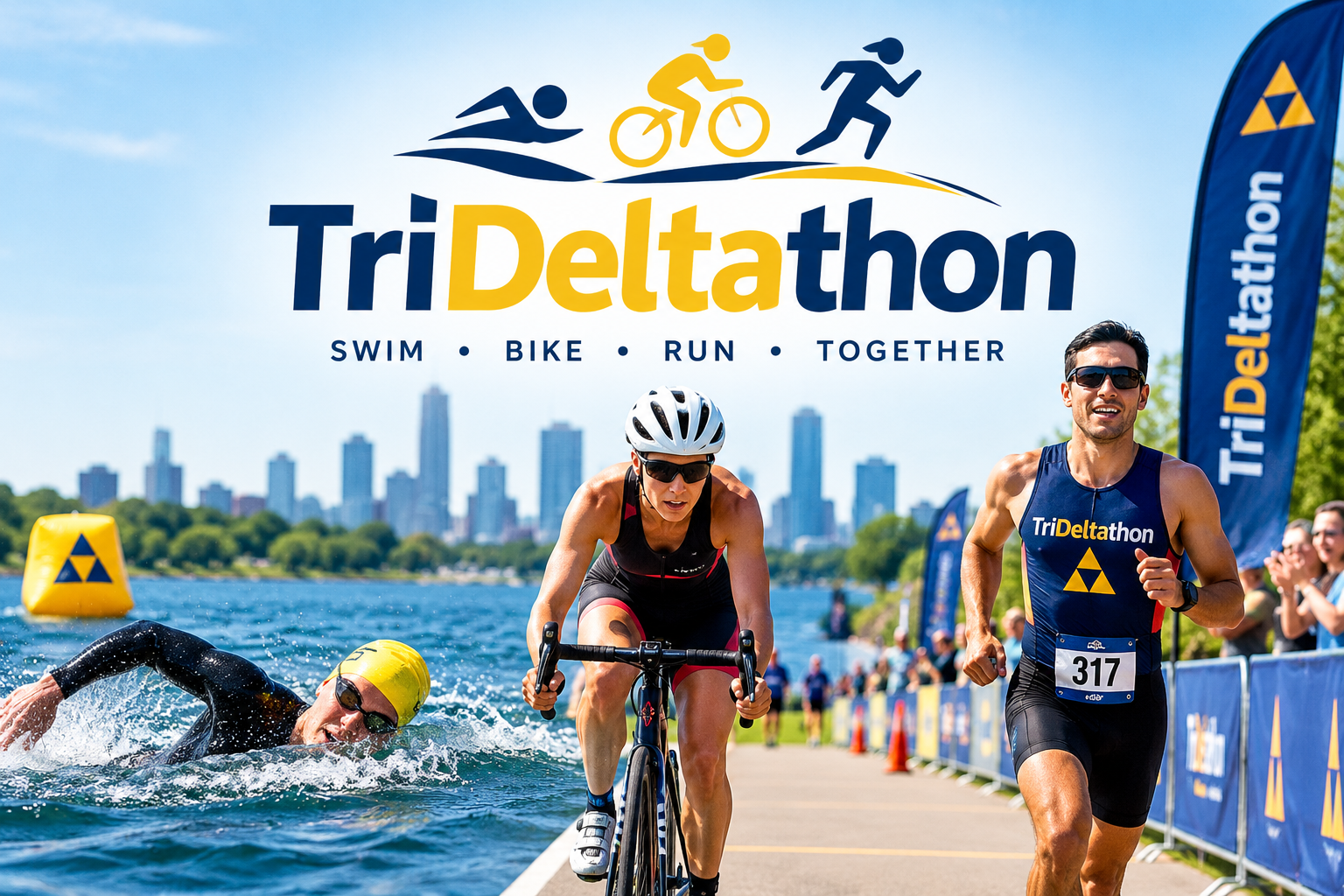
TriDeltathon was a distinctive Knoxville endurance event that combined an indoor pool swim, a short bicycle course, and a campus run while supporting children’s causes in East Tennessee.
For anyone searching the name today, however, there is an important detail to understand: the historic TriDeltathon and the newer TriDeltaRUN are not the same race format. Archived information describes a swim-bike-run competition, while the most recent related event is a standalone 5K.
That difference explains why searches for TriDeltathon can produce seemingly conflicting distances, venues, registration information, and race descriptions.
This guide separates the historical race from the current event, explains how the original competition worked, and shows how its charitable tradition continues.
TriDeltathon Quick Facts
| Detail | Information |
|---|---|
| Historic event | TriDeltathon |
| Location | Knoxville, Tennessee |
| Primary historic venue | University of Tennessee Student Aquatic Center |
| Race type | Short-course pool triathlon |
| Swim | 400 meters |
| Bike | 6 miles |
| Run | 3 miles |
| Participation | Individual and relay divisions |
| University connection | University of Tennessee |
| Sorority connection | Delta Delta Delta |
| Historic beneficiary | East Tennessee Children’s Hospital |
| 2020 edition | Canceled |
| Current related event | TriDeltaRUN |
| Current format | 5K run |
| Most recent documented edition | April 19, 2026 |
| 2026 venue | UT Gardens, Knoxville |
The archived 2020 race page confirms the 400-meter indoor swim, six-mile bike course, three-mile run, individual and relay divisions, University of Tennessee venue, and fundraising connection with East Tennessee Children’s Hospital.
What Was TriDeltathon?
TriDeltathon was a short-format triathlon held in Knoxville, Tennessee, with strong ties to the University of Tennessee community.
Participants completed the traditional triathlon sequence:
Swim → Bike → Run
Unlike many triathlons, however, the swimming portion did not take place in a lake, river, or ocean. Competitors began in an indoor swimming pool, making TriDeltathon especially approachable for athletes who were less comfortable with open-water racing.
The documented later race format consisted of:
- A 400-meter indoor swim
- A 6-mile bike ride
- A 3-mile run
The 2020 event page described the competition as returning for its 36th year and promoted it as a long-running pool triathlon. Because that longevity claim comes from the event’s own organizer listing rather than an independent historical authority, it is safest to treat it as an organizer-reported claim rather than a separately verified national record.
Why TriDeltathon Was Different From a Typical Triathlon
Most people picture triathlon as a demanding endurance sport involving open-water swimming, a long bicycle leg, and an extended run.
TriDeltathon offered something more compact.
Its shorter distances created a race that could appeal to experienced athletes seeking a fast event while remaining accessible to students, developing triathletes, and competitors attempting multiple disciplines for the first time.
1. The swim took place indoors
The 400-meter swimming stage used the University of Tennessee Student Aquatic Center.
Athletes entered the water individually at short intervals rather than starting in a crowded mass wave. Competitors were ordered according to their estimated 400-meter swimming time, with faster swimmers generally starting first.
That format removed several challenges associated with open-water racing, including waves, poor visibility, deep water, and large simultaneous starts.
2. The bike stage was relatively short
After exiting the pool and completing the first transition, athletes began an approximately six-mile cycling leg through the University of Tennessee and Neyland Drive area.
A six-mile ride is far shorter than the cycling stages used in many conventional sprint triathlons.
That did not necessarily make the race effortless. Short events reward efficient transitions and the ability to increase intensity quickly.
3. The run stayed close to campus landmarks
The final portion was approximately three miles.
Historic event information says runners passed prominent University of Tennessee locations, including Neyland Stadium and Thompson-Boling Arena.
Because all three disciplines were relatively compact, competitors could move through the complete swim-bike-run experience without the time commitment of a longer-distance triathlon.
How the TriDeltathon Swim Worked
The swimming format deserves special attention because it was one of the event’s defining features.
The archived race instructions describe competitors beginning one at a time at roughly seven-second intervals. Swimmers completed the pool lanes sequentially, moving underneath lane ropes to enter the next lane until reaching the full 400-meter distance.
Athletes were seeded according to predicted swimming speed.
That setup served an important practical purpose: placing faster swimmers ahead of slower competitors could reduce overtaking and congestion inside the pool.
Why pool seeding matters
Submitting an unrealistic predicted swim time can create problems.
If an athlete estimates a time that is much faster than their actual ability, quicker swimmers may become trapped behind them. If they estimate far too slowly, they may spend significant time overtaking other competitors.
For pool-based triathlons generally, athletes should submit a realistic training-based estimate rather than an aspirational personal record.
Individual vs. Relay Participation
TriDeltathon was not limited to athletes capable of completing all three disciplines.
Archived registration records show both:
- TriDeltathon Individual
- TriDeltathon Relay
The individual category required one athlete to complete the swimming, cycling, and running stages.
Relay participation allowed athletes to divide disciplines among team members. Historic registration records also show relay teams participating in different categories.
That distinction made the event potentially attractive to groups of friends or students who wanted to participate without every team member training for three separate sports.
TriDeltathon and the University of Tennessee
The University of Tennessee was central to the identity of TriDeltathon.
The archived 2020 event listed its primary location as:
University of Tennessee Student Aquatic Center
2106 Andy Holt Ave.
Knoxville, Tennessee
The cycling and running routes also incorporated the surrounding campus area.
The event’s connection with campus life extended beyond its course.
Delta Delta Delta sorority members provided volunteer support for the historic race, while student-oriented pricing encouraged participation from the university community.
The Delta Delta Delta Connection
The “TriDelta” portion of TriDeltathon is not simply a play on the word triathlon.
Delta Delta Delta—commonly called Tri Delta—has an established chapter at the University of Tennessee. The university describes the sorority as an organization with a strong focus on philanthropy, leadership, scholarship, and support for children’s causes.
Members of the sorority were closely involved with the historic race.
The event listing specifically credited the women of Delta Delta Delta with volunteer support and stated that proceeds benefited East Tennessee Children’s Hospital.
This philanthropic component is essential to understanding the event.
TriDeltathon was not simply designed to produce finishing times. It combined recreation, student involvement, community participation, and fundraising.
The Charity Mission Behind TriDeltathon
Historic TriDeltathon proceeds were directed toward East Tennessee Children’s Hospital.
That charitable relationship continued even when circumstances disrupted the race itself.
When the 2020 event was canceled, organizers gave registered athletes several options. One allowed competitors to leave their registration fee with the event so it could continue benefiting East Tennessee Children’s Hospital. Refunds and transfers were also offered.
The modern TriDeltaRUN continues a related charitable mission.
Its official 2026 description states that proceeds went to East Tennessee Children’s Hospital/Camp Eagles Nest, with Camp Eagles Nest described as a summer camp serving children with cancer and rare blood disorders.
That continuity is arguably the strongest link between the old and new event formats.
What Happened to TriDeltathon?
This is the most important question for people searching TriDeltathon today.
The traditional swim-bike-run event is no longer the format shown on the current event calendar.
The planned April 19, 2020 edition was canceled after the University of Tennessee moved to an online academic model. Organizers initially offered transfers to a future edition alongside other options.
Current race records, however, point to TriDeltaRUN, a 5K rather than the original triathlon.
Race Day Events’ 2022 results archive already lists TriDeltaRun as a 5K held on April 24, 2022.
The official 2026 listing described the event as being offered for its fifth year, further demonstrating that a running-only format had become established.
Was TriDeltathon permanently replaced because of COVID-19?
That conclusion should not be made without qualification.
We can confirm that the 2020 race was canceled following the university’s move to online instruction. We can also confirm that later event listings feature TriDeltaRUN instead of the historic triathlon.
What the available primary sources do not clearly establish is that one specific factor permanently caused the format change.
Operational complexity, participation, venue availability, finances, or other factors may have influenced the decision, but attributing the change to any one of them without documentation would be speculation.
TriDeltathon vs. TriDeltaRUN
The names are similar, and they share a community connection, but they describe different athletic events.
| Feature | Historic TriDeltathon | TriDeltaRUN |
|---|---|---|
| Event type | Triathlon | Road/greenway race |
| Swim | 400 meters | None |
| Bike | 6 miles | None |
| Run | 3 miles | 5K |
| Transitions | Yes | No |
| Specialized bike equipment | Required | No |
| Main documented historic venue | UT Student Aquatic Center | UT Gardens |
| Tri Delta involvement | Yes | Yes |
| Charity connection | Children’s causes | Children’s causes |
| Current active format | No current traditional race verified | Yes, through 2026 |
This distinction is particularly important when searching for registration.
An old TriDeltathon page can still appear in search engines, but that does not mean the historic triathlon is currently accepting entries.
What Is TriDeltaRUN?
TriDeltaRUN carries forward the fundraising and university-community elements of the earlier event in a simpler 5K format.
For 2026, organizers described it as the fifth year that Delta Delta Delta sorority and Race Day Events offered the 5K. The event took place at UT Gardens, with much of the course located along Third Creek Greenway.
The April 19, 2026 event began at 10:00 a.m.
The official listing also advertised:
- Race-logo shirts
- Overall awards
- Age-group awards
- Post-race refreshments
- Snacks
- Student discounts
- Day-of-race registration
These details apply specifically to the 2026 edition and should not automatically be assumed for future races.
As of October 2026, the April 19 event has already taken place.
Race Day Events’ current 2026 calendar also lists TriDeltaRUN on April 19, confirming its place in the organizer’s season schedule.
Why Moving From a Triathlon to a 5K Changes the Experience
The difference between TriDeltathon and TriDeltaRUN is much greater than removing two disciplines.
A triathlon requires athletes to prepare for swimming, cycling, running, equipment management, and two transitions.
A 5K dramatically reduces those barriers.
Historic TriDeltathon preparation required:
- Swim training
- Cycling fitness
- Running fitness
- A suitable bicycle
- Helmet and cycling equipment
- Transition practice
- Multisport pacing
TriDeltaRUN preparation primarily requires:
- Appropriate running or walking footwear
- Basic running or walking conditioning
- Comfortable athletic clothing
- Hydration and pacing awareness
That difference potentially makes a 5K accessible to a broader group of students, families, walkers, and recreational runners.
It also means someone expecting the old TriDeltathon experience should verify the current format before registering.
How Athletes Would Prepare for a Race Like TriDeltathon
Although the historic format is not currently advertised, understanding its preparation strategy helps explain what made the race interesting.
Train the three disciplines separately
Beginners often assume that being a strong runner automatically makes them prepared for a short triathlon.
It does not.
Swimming, cycling, and running stress the body differently. A balanced training week should therefore include all three rather than relying primarily on the athlete’s strongest discipline.
Practice bike-to-run sessions
One of the strangest sensations for new triathletes occurs after getting off the bicycle.
The legs can feel heavy, uncoordinated, or unusually stiff during the first few minutes of running.
Triathletes commonly prepare for this with a brick workout, where a cycling session is immediately followed by a short run.
Practice transitions
In a short race, poor transitions can consume a surprisingly large percentage of total race time.
Athletes should know exactly where equipment is positioned and rehearse tasks such as:
- Leaving the pool
- Putting on cycling gear
- Beginning the bike stage safely
- Returning the bicycle
- Changing into running equipment
- Starting the final run
The goal is not frantic movement. It is smooth, repeatable organization.
Common Mistakes When Researching TriDeltathon
Because older race pages remain online, several mistakes are easy to make.
Mistake 1: Assuming the historic race is still active
An accessible registration or results page may simply be an archive.
The TriSignUp page for TriDeltathon still exists, but it identifies the event as the canceled April 19, 2020 edition.
Always check the year.
Mistake 2: Calling TriDeltaRUN a triathlon
TriDeltaRUN is a 5K.
The official 2026 listing contains no swimming or bicycle component.
Mistake 3: Applying historical distances to the current event
The old event’s 400-meter swim, six-mile bike ride, and three-mile run belong to TriDeltathon.
The newer event is a 5K run.
They should not be presented as interchangeable formats.
Mistake 4: Assuming future details from an old race listing
Race dates, entry prices, packet pickup locations, routes, shirts, awards, and registration rules can change every year.
Always rely on the newest organizer information when planning participation.
Are Old TriDeltathon Results Available?
Yes.
The archived TriSignUp results system includes records for earlier editions, including 2019 and 2015, with categories for individual and relay competitors.
TriDeltaRUN maintains its own separate results archive covering editions from 2022 through 2026.
These separate result databases provide another useful clue when researching the event’s evolution: the historical triathlon and newer running race are treated as distinct competitions.
Is TriDeltathon Coming Back?
There is currently no reliable primary-source evidence confirming a return of the traditional pool-swim, bike, and run TriDeltathon format.
The most recent verified related event is TriDeltaRUN, held on April 19, 2026.
That does not prove the triathlon could never return.
It simply means readers should avoid interpreting archived registration pages as confirmation of a future race.
Until organizers publish a newly dated announcement specifically describing a swim-bike-run TriDeltathon, the safest interpretation is that TriDeltaRUN is the active continuation of the event’s community and charitable tradition.
Frequently Asked Questions About TriDeltathon
What is TriDeltathon?
TriDeltathon was a short pool-based triathlon in Knoxville, Tennessee, associated with the University of Tennessee and supported by Delta Delta Delta sorority volunteers.
Its documented later format consisted of a 400-meter indoor swim, six-mile bike ride, and three-mile run.
Where was TriDeltathon held?
The historic race was based at the University of Tennessee Student Aquatic Center in Knoxville.
Its cycling and running routes incorporated surrounding university and Neyland Drive areas.
How long was TriDeltathon?
The documented race included:
- 400-meter swim
- 6-mile bicycle ride
- 3-mile run
Was TriDeltathon only for individual athletes?
No.
The event offered both individual and relay divisions.
Was TriDeltathon an open-water race?
No.
The historic event used an indoor pool for its 400-meter swimming portion.
Why was the 2020 TriDeltathon canceled?
The organizer stated that the April 19, 2020 event was canceled following the University of Tennessee’s decision to move to an online academic model for the remainder of the academic year.
Is TriDeltathon still held?
The original swim-bike-run format is not the event currently listed by organizers.
The related active event in 2026 was TriDeltaRUN, a 5K.
What is the difference between TriDeltathon and TriDeltaRUN?
TriDeltathon was a triathlon involving swimming, cycling, and running.
TriDeltaRUN is a 5K running race without swimming or cycling.
When was the latest TriDeltaRUN?
The most recent verified edition took place on Sunday, April 19, 2026, at UT Gardens in Knoxville.
What charity does the event support?
Historic TriDeltathon proceeds supported East Tennessee Children’s Hospital.
The 2026 TriDeltaRUN listing says proceeds supported East Tennessee Children’s Hospital/Camp Eagles Nest, a summer camp for children with cancer and rare blood disorders.
Final Thoughts on TriDeltathon
TriDeltathon occupies an unusual place in Knoxville’s endurance-sports history. Its combination of a 400-meter indoor pool swim, short campus bike course, three-mile run, university involvement, and charitable fundraising made it considerably different from a conventional road race or large open-water triathlon.
The most important fact for modern searchers is the distinction between past and present.
The historic TriDeltathon was a swim-bike-run race. The current related event, TriDeltaRUN, is a 5K that continues significant parts of the community and charitable tradition without using the old triathlon format.
Anyone researching race entry, dates, distances, or participation should therefore check the year and event name carefully. Old TriDeltathon pages remain valuable historical resources—but for current participation information, the newest TriDeltaRUN listing is the more relevant source.

Searching for Christopher Henderson can lead to more than one prominent public figure. The name is associated with professionals in music, soccer, business, academia, and other fields, making context essential when trying to find accurate information about a particular person.
Two especially well-documented public figures connected with the name are Chris Henderson of the rock band 3 Doors Down and Chris Henderson, the former U.S. international soccer player and sporting executive. This guide explains the distinction, summarizes their careers, and shows how to avoid confusing people who share the same or a similar name.
Christopher Henderson Quick Facts
| Search context | Person you may be looking for | Known for |
|---|---|---|
| 3 Doors Down | Chris Henderson | Guitarist for the American rock band |
| Rock music | Chris Henderson | Musician associated with 3 Doors Down’s major-label era |
| U.S. soccer | Chris Henderson | Former United States national-team midfielder |
| MLS | Chris Henderson | Player and soccer operations executive |
| General name search | Christopher Henderson | Multiple people share the name, so additional context is necessary |
The key point is simple: Christopher Henderson is not a uniquely identifying search term. Occupation, organization, location, age, or another piece of context is usually needed to determine which person a source is discussing.
Christopher Henderson and 3 Doors Down
One of the best-known musicians associated with this name is Chris Henderson, the guitarist from 3 Doors Down.
Who Is Chris Henderson of 3 Doors Down?
Chris Henderson became part of 3 Doors Down before the Mississippi rock band’s major commercial breakthrough. His guitar work became part of the sound audiences heard as the group moved from regional recognition to international success.
3 Doors Down emerged as a significant American rock act around the turn of the millennium. The band’s combination of post-grunge guitars, accessible melodies, and emotionally direct songwriting helped it build a large mainstream audience.
Chris Henderson’s Role in 3 Doors Down
Henderson has served primarily as a guitarist within the group. In a band built around layered electric guitars, his role contributes to both the heavier sections of songs and the melodic arrangements behind the vocals.
His importance is easier to understand by looking at 3 Doors Down as an ensemble rather than focusing only on individual solos. The band’s best-known recordings depend heavily on guitar textures, rhythm, dynamics, and the interaction between multiple musicians.
The Breakthrough of 3 Doors Down
The band’s major breakthrough came with The Better Life, released in 2000.
The album included “Kryptonite,” the song that transformed 3 Doors Down from a developing rock band into a mainstream name. It became one of the defining rock singles of the group’s career and remains closely associated with the band’s identity.
Other releases helped 3 Doors Down establish a catalog extending well beyond its initial hit. Henderson’s career therefore sits within a broader period in which the band moved from its Mississippi roots into sustained touring, recording, and commercial rock success.
Why Chris Henderson Matters to the Band’s Sound
Guitarists in successful rock bands are sometimes evaluated almost entirely by solos. That approach misses an important part of Henderson’s contribution.
Effective rock guitar also involves:
- Building rhythm underneath the vocal melody.
- Creating contrast between verses and choruses.
- Supporting heavier sections without overpowering the arrangement.
- Reproducing layered studio recordings in a live environment.
- Developing a recognizable collective sound with other band members.
Those functions are especially relevant to a band such as 3 Doors Down, whose music often balances melodic hooks with substantial electric-guitar arrangements.
Christopher Henderson in American Soccer
A different Chris Henderson built a prominent career in American soccer. He became known first as a player and later for work on the sporting and management side of professional soccer.
This is an entirely different person from the 3 Doors Down guitarist.
Chris Henderson’s Playing Career
Henderson played as a midfielder and represented the United States internationally during an important period in the development of American soccer.
His career spanned the era in which the U.S. men’s game was moving toward greater professional stability at home. He competed internationally and later became part of Major League Soccer after the league’s launch in the 1990s.
Henderson and the U.S. Men’s National Team
Henderson earned substantial experience with the United States men’s national team and was part of the country’s international soccer generation around the 1990 FIFA World Cup period.
That era carries particular historical significance. The United States was rebuilding its presence on soccer’s biggest international stage while preparing for the rapid expansion of the domestic game that followed.
Henderson belonged to the generation connecting those two stages of American soccer’s development.
His MLS Career
When Major League Soccer began play in 1996, experienced American players became central to establishing the new competition.
Henderson went on to play for multiple MLS teams during his professional career. His longevity provided a link between the league’s earliest years and the more developed competition that emerged afterward.
For people researching the history of MLS, this distinction matters. Searches for Christopher Henderson may surface information about playing records, club history, U.S. national-team appearances, or front-office soccer roles rather than anything connected with music.
From Soccer Player to Sporting Executive
Henderson’s involvement with professional soccer continued after his playing career.
He moved into technical and sporting leadership, an area of professional soccer that operates largely behind the scenes but can have enormous influence on a club’s performance.
What Does a Soccer Sporting Executive Do?
A sporting or technical executive can be involved in areas such as player recruitment, roster construction, scouting, contract strategy, long-term squad planning, and coordination between coaching and front-office departments.
The precise responsibilities differ by club. However, the position generally requires a combination of soccer knowledge, talent evaluation, organizational planning, and familiarity with league regulations.
Henderson’s transition illustrates a broader pattern among experienced players. Years spent competing professionally can provide valuable insight into player evaluation and team construction, although executive success also demands skills very different from those required on the field.
Musician vs. Soccer Professional: Which Christopher Henderson?
The easiest way to separate the two prominent names is by examining the surrounding terminology.
| If you see these terms | The reference is probably |
|---|---|
| 3 Doors Down, guitar, rock, album, tour | Chris Henderson the musician |
| Kryptonite, The Better Life | Chris Henderson the musician |
| USMNT, midfielder, World Cup | Chris Henderson the soccer player |
| MLS, roster, sporting director, soccer operations | Chris Henderson the soccer professional |
Search engines frequently encounter this problem with common names. A page can be factually correct about one individual while still being completely irrelevant to the person a reader intended to find.
How to Identify the Right Christopher Henderson
When researching someone with a shared name, avoid treating the name itself as sufficient identification.
Add Professional Context
Instead of searching only for Christopher Henderson, add the profession or organization.
Examples include:
- Christopher Henderson musician
- Chris Henderson 3 Doors Down
- Christopher Henderson soccer
- Chris Henderson USMNT
- Chris Henderson MLS
- Christopher Henderson attorney
- Christopher Henderson professor
A single contextual term can eliminate a large amount of irrelevant information.
Check Dates Carefully
Dates are particularly useful when two people have careers in unrelated industries.
An article about a rock album, for example, clearly belongs to a different professional context from a soccer match report. Comparing the publication date with the person’s known career can also expose mistaken identity.
Verify the Organization
Employers, bands, teams, universities, and professional associations are often stronger identifiers than names.
If a biography identifies the person’s organization, compare it with another reliable source before combining information. This prevents an especially common research error: merging details belonging to two different people into one biography.
Be Cautious With Automated Biography Sites
Name-based profile databases can create misleading associations when several people share similar names.
A date of birth from one Christopher Henderson, an occupation from another, and a photograph from a third can produce a biography that looks convincing while being fundamentally wrong.
For higher-confidence research, prioritize primary or authoritative sources connected directly with the person’s career.
Common Mistakes When Researching Christopher Henderson
Assuming Chris and Christopher Always Refer to the Same Person
Chris is commonly used as a shortened form of Christopher, but that does not mean every result for the two names belongs to one individual.
The surrounding context must match.
Combining Music and Soccer Biographies
The 3 Doors Down musician and the American soccer professional are separate people.
Information about albums should not be combined with national-team statistics or MLS history simply because both individuals appear in search results under Chris Henderson.
Relying on a Photograph Alone
Images are useful clues but weak evidence of identity when viewed without their original context.
A caption, organization, publication, and date provide considerably stronger confirmation.
Treating Search Rankings as Proof
The first search result is not necessarily the person someone intended to find.
Search rankings can vary depending on location, query wording, recent interest, and the amount of information available about each namesake.
Why Name Disambiguation Matters
Mistaken identity is more than a minor inconvenience.
For journalists, employers, researchers, genealogists, fans, and businesses, attaching information to the wrong person can create factual errors that spread from one source to another.
Search engines also increasingly depend on entity relationships. A name, occupation, organization, location, and career history collectively help distinguish one person from another.
That is why a reliable biography should establish identity before presenting detailed claims.
Frequently Asked Questions About Christopher Henderson
Who is Christopher Henderson?
Christopher Henderson can refer to multiple people. Two notable namesakes associated with the search are Chris Henderson, guitarist for 3 Doors Down, and Chris Henderson, the former U.S. international soccer player and soccer executive.
Is Christopher Henderson in 3 Doors Down?
Chris Henderson is a guitarist associated with 3 Doors Down and has been part of the band’s career since before its major commercial breakthrough.
What is Chris Henderson known for in music?
He is primarily known for his work as a guitarist with 3 Doors Down, the American rock band whose breakthrough album The Better Life included the hit “Kryptonite.”
Was Chris Henderson a professional soccer player?
Yes. A different Chris Henderson had a professional soccer career, represented the United States internationally, and later moved into soccer management and sporting operations.
Are the soccer player and the 3 Doors Down guitarist the same person?
No. They are separate individuals whose careers happen to appear under the same commonly used name.
Why do searches for Christopher Henderson show different people?
Christopher Henderson is not a unique name. Search engines therefore use additional signals—including profession, organization, location, and related keywords—to decide which individual is most relevant to a query.
What to Look for in a Reliable Christopher Henderson Biography
A trustworthy profile should make the person’s identity clear before presenting detailed biographical information.
Look for several matching identifiers rather than relying on one:
- Full or professionally used name
- Occupation
- Employer, band, team, or organization
- Career timeline
- Geographic connection
- Primary or authoritative supporting sources
If those identifiers conflict, the information should not be combined until the discrepancy is resolved.
This approach is particularly important for personal details such as age, family relationships, net worth, marital status, education, and contact information. Those are among the easiest facts for low-quality biography sites to misattribute.
The Bottom Line on Christopher Henderson
The keyword Christopher Henderson does not point reliably to one person without additional context. Among the best-known public figures associated with the name are Chris Henderson of 3 Doors Down and Chris Henderson from American professional soccer, two individuals with completely separate careers.
For music-related searches, terms such as 3 Doors Down, guitar, or Kryptonite identify the musician. For sports-related searches, terms such as USMNT, MLS, midfielder, or sporting executive identify the soccer professional.
Accurate research starts by establishing which Christopher Henderson is intended before adding biographical details. Before publishing or relying on a profile, verify the person’s profession and organization against authoritative sources so information from different namesakes is not inadvertently combined.

If you searched for rockbigs com, you are probably trying to understand what the website offers, what kind of information it publishes, and whether its content is worth using.
Rockbigs.com, branded as Rock Bigs, appears to operate primarily as a general informational website covering several unrelated subject areas rather than focusing on a single specialist niche. Search results from the website show content involving technology, business, finance, online games, sports, artificial intelligence, cloud computing, cryptocurrency, e-commerce, and other educational topics.
This guide explains what visitors can realistically expect from the site, how to evaluate its articles, and what precautions are worth taking when using information from broad-content websites.
What Is rockbigs com?
rockbigs com refers to the website Rockbigs.com, which publishes articles across a broad selection of informational categories.
Rather than functioning like a narrowly focused technology publication, financial service, online store, or software platform, its visible search-indexed pages indicate that Rock Bigs behaves more like a multi-topic content publisher.
For example, indexed pages include articles about:
- Artificial intelligence
- Cloud computing
- Cryptocurrency
- E-commerce
- Market segmentation
- Basketball
- Poker and online gaming
- Finance and general business topics
The homepage also identifies the website as “Rock Bigs.”
That distinction matters because some third-party descriptions of rockbigs com may characterize it differently. When researching an unfamiliar domain, information published on the website itself should normally be checked before relying on claims made by unrelated websites.
rockbigs com Quick Facts
| Feature | What Visitors Can Expect |
|---|---|
| Website | Rockbigs.com |
| Brand name | Rock Bigs |
| Main format | Informational articles |
| Content scope | Multiple topics |
| Technology content | AI, cloud computing and related subjects |
| Business content | E-commerce, marketing and business concepts |
| Finance content | Financial and consumer information |
| Entertainment content | Gaming and sports |
| Best use | General introductory reading |
| Recommended approach | Verify important claims with primary sources |
The website currently has dedicated category pages for subjects including Business, Technology, Finance, and Online Game, supporting the view that it is a broad informational publisher.
What Type of Content Does rockbigs com Publish?
Understanding the site’s content structure helps determine whether it is appropriate for your particular research needs.
Technology and Artificial Intelligence
Technology is one of the visible areas covered by Rock Bigs.
One indexed article explains artificial intelligence, including how AI systems can learn, reason, and perform tasks. The article also discusses possible AI applications in fields including healthcare, manufacturing, transportation, customer service, and gaming.
Another Rock Bigs article introduces cloud computing as the delivery of hosted computing services through the internet.
These articles appear designed primarily for readers seeking accessible introductions rather than highly technical documentation.
Business and E-Commerce
Business-related content forms another part of rockbigs com.
For example, its e-commerce article discusses online transactions, different forms of electronic commerce, and potential benefits such as broader reach and automation.
Rock Bigs also has content explaining market segmentation, describing it as the process of dividing consumers into groups based on shared characteristics, needs, or preferences.
This type of content can be useful for readers trying to understand basic business terminology before moving to more specialized sources.
Finance and Cryptocurrency
Finance is also listed as a dedicated Rock Bigs category. Search-indexed content includes topics connected with financial documents and consumer finance.
The site has additionally published an introductory article explaining cryptocurrency and the role of cryptography in digital currencies.
Financial information changes quickly, however. Readers should therefore distinguish between general educational explanations and advice involving current regulations, investments, taxes, interest rates, or financial products.
Sports Content
Rock Bigs does not limit itself to business and technology.
One detailed article discusses basketball’s history, rules, court structure, players, scoring, and core skills.
That reinforces the site’s broad editorial approach: a reader may encounter technology content on one page and sports education on another.
Online Games
The website also maintains an Online Game category.
Individual indexed pages include educational material related to poker, such as explanations of how a winning hand is determined.
Readers should treat informational explanations of games differently from gambling recommendations or financial advice. Understanding game rules does not eliminate the financial risks associated with real-money gambling.
Who Is rockbigs com Most Useful For?
The site’s format appears best suited to readers looking for introductory explanations across different subjects.
A visitor could use the website when:
- Learning the meaning of an unfamiliar term
- Getting an overview of a technology topic
- Exploring introductory business concepts
- Reading about sports or games
- Identifying terminology for deeper research
- Comparing basic concepts before consulting specialist resources
For these purposes, broad informational websites can serve as useful starting points.
They should not automatically become the final source for decisions involving health, law, investing, cybersecurity, taxation, or other high-impact issues.
Is rockbigs com a Digital Asset Management Platform?
This deserves clarification because search results for the phrase rockbigs com can produce conflicting descriptions.
One third-party article describes Rockbigs.com as a specialized digital ecosystem involving resource tracking, predictive algorithms, encryption, APIs, and performance management.
However, the actual Rock Bigs pages surfaced through search show a multi-category informational website publishing articles about AI, cloud computing, cryptocurrency, basketball, e-commerce, market segmentation, and games.
Therefore, readers should be cautious about assuming that Rockbigs.com provides software, APIs, enterprise resource management, or digital asset optimization tools unless those capabilities can be confirmed directly from the website.
This is an important research habit that applies far beyond Rock Bigs: do not let another site’s description substitute for checking the original source.
How to Evaluate Information on rockbigs com
A well-written article can still contain outdated, incomplete, or insufficiently sourced information.
Use a simple verification process.
- Check the publication date. Technology, finance, cybersecurity, laws, and digital services can change rapidly.
- Look for the original source. Statistics should ideally link back to research papers, government agencies, companies, regulators, or recognized organizations.
- Check author information. For specialized subjects, determine whether the writer’s qualifications or relevant experience are available.
- Cross-check important claims. Search for the same information in reputable primary or specialist sources.
- Separate facts from predictions. Statements about what AI, cryptocurrency, markets, or technology “will” do should not be interpreted as established facts.
- Verify before taking action. Never make an important financial, medical, legal, or security decision based entirely on one general-interest article.
This approach is more reliable than deciding whether an entire website is trustworthy or untrustworthy based on a single page.
How to Use rockbigs com More Effectively
The best way to use a general informational website is as part of a broader research process.
Start With the Overview
Read the article to understand unfamiliar terminology and identify the major concepts involved.
For example, someone unfamiliar with cloud computing could first learn the basic definition and then move to documentation from major cloud providers or technical standards organizations.
Extract Important Keywords
An introductory article can reveal terms worth investigating separately.
An AI article might introduce concepts related to machine learning, autonomous systems, natural-language processing, or intelligent agents. Those terms provide better starting points for deeper research.
Follow the Evidence
Whenever an article includes a statistic, historical claim, scientific conclusion, or regulatory statement, identify where the information originated.
Primary evidence generally carries more weight than multiple websites repeating the same unsupported statement.
Compare Publication Dates
Older articles are not automatically useless.
An old article explaining a stable concept may still be helpful. An old article discussing software features, investment regulations, AI capabilities, prices, taxes, or cybersecurity recommendations requires much more caution.
Common Mistakes When Researching rockbigs com
Assuming Search Results Are Official
Google and other search engines can show third-party articles before the actual website.
Always check the domain carefully.
Trusting Domain Metrics as Proof of Quality
Third-party services advertise guest-post opportunities on Rockbigs.com and promote SEO-related metrics for the domain.
Metrics such as authority scores or backlink counts may be useful to marketers, but they do not prove that every article on a website is accurate.
Content quality should be assessed at the page and claim level.
Treating General Articles as Professional Advice
A general finance article is not personalized investment advice.
Likewise, an introductory technology article cannot replace technical documentation when configuring a system, and general health information should not replace qualified medical care.
Believing Every Third-Party Description
The conflicting search descriptions surrounding rockbigs com demonstrate why source verification matters.
When an outside website claims that a domain provides sophisticated tools or services, check whether the original site actually advertises, documents, or demonstrates those capabilities.
Signs of a Useful Informational Article
Whether you are reading Rock Bigs or another general website, strong informational content usually makes it easy to determine:
- Who wrote the article
- When it was written or updated
- Which sources support important claims
- What is factual and what is opinion
- Whether limitations are acknowledged
- Whether statistics have traceable origins
- Whether recommendations remain current
A polished design alone does not establish expertise.
Transparency and verifiable evidence matter more.
Can You Rely on rockbigs com for Research?
That depends on the purpose.
For casual learning and introductory research, rockbigs com can help readers discover basic concepts across technology, business, finance, sports, gaming, and related subjects.
For academic, professional, financial, medical, legal, or technical work, it is better treated as a starting point rather than the sole authority.
A sensible research workflow is:
Rock Bigs article → identify the core claim → locate the primary source → compare with another authoritative source → make your conclusion.
This adds only a few minutes to the research process but significantly reduces the chance of relying on outdated or unsupported information.
Frequently Asked Questions About rockbigs com
What is rockbigs com?
Rockbigs.com, branded as Rock Bigs, is a broad informational website publishing articles across multiple categories including technology, business, finance, online games, and sports.
What topics does Rock Bigs cover?
Indexed articles include artificial intelligence, cloud computing, cryptocurrency, e-commerce, market segmentation, basketball, poker, and other general-interest topics.
Is rockbigs com only a technology website?
No. Technology is one of several visible categories. The site also publishes business, finance, gaming, and sports content.
Does rockbigs com provide financial information?
Yes, the website has a finance category and has published content concerning cryptocurrency and other financial subjects. Important financial decisions should still be verified through qualified and current sources.
Can students use Rock Bigs?
Students may find introductory explanations useful for understanding basic concepts. For academic assignments, however, primary research, textbooks, peer-reviewed publications, and institutional sources are generally stronger references.
Should I trust every article on rockbigs com?
No website should receive automatic trust simply because it appears in search results. Evaluate the author, publication date, evidence, citations, and nature of the claim before relying on an article.
Final Thoughts on rockbigs com
rockbigs com is best understood as a multi-topic informational website rather than a narrowly specialized service. Its indexed content spans areas including technology, business, finance, sports, e-commerce, cryptocurrency, artificial intelligence, cloud computing, and online games.
For readers, its greatest potential value is as a starting point for learning. Read the overview, identify useful concepts, and then verify important claims through authoritative or primary sources.
That approach allows you to get practical value from rockbigs com while avoiding one of the most common mistakes in online research: treating a convenient explanation as the final word.


imageflings.com: What It Is, Website Status, Safety, and Everything You Should Know

TeamViewer Pricing vs. Splashtop: Complete 2026 Comparison Guide

What Is Globalunpaid Com? Complete Website Guide for 2026
-

 Fashion9 years ago
These ’90s fashion trends are making a comeback in 2017
-
Entertainment9 years ago
The final 6 ‘Game of Thrones’ episodes might feel like a full season
-
Fashion9 years ago
According to Dior Couture, this taboo fashion accessory is back
-
Business9 years ago
Uber and Lyft are finally available in all of New York State
-
Entertainment9 years ago
The old and New Edition cast comes together to perform
-
Sports9 years ago
Steph Curry finally got the contract he deserves from the Warriors
-
Sports9 years ago
Phillies’ Aaron Altherr makes mind-boggling barehanded play
-
Entertainment9 years ago
Disney’s live-action Aladdin finally finds its stars