
Health
Smoothie Guide: How to Make Better, Healthier Blends

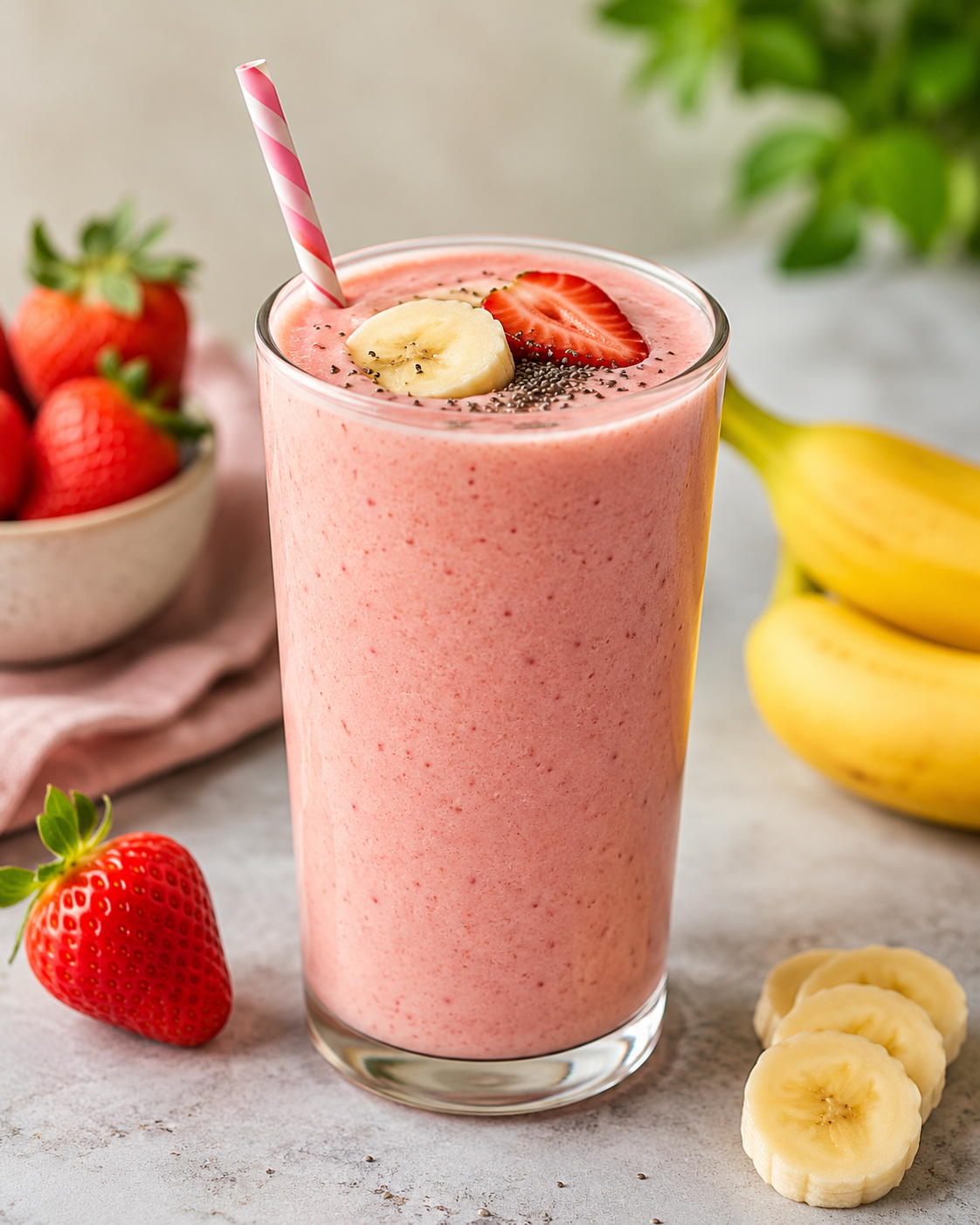
A smoothie can be a quick breakfast, a refreshing snack, a convenient post-workout option, or an easy way to add more fruit and vegetables to your day. However, not every blended drink is automatically nutritious.
The best smoothie combines appealing flavor, a smooth texture, useful nutrients, and enough substance to match its purpose. This guide explains how to build one from scratch, choose balanced ingredients, fix common texture problems, and create reliable recipes without unnecessary sugar.
What Is a Smoothie?
A smoothie is a blended drink typically made with fruit, vegetables, liquid, and optional ingredients such as yogurt, oats, seeds, nut butter, or protein-rich foods.
Unlike juice, a smoothie usually retains the fiber-containing pulp of whole produce. Its texture can range from light and drinkable to thick enough to eat with a spoon.
Smoothies are flexible because they can be customized around different goals, including:
- A fast and filling breakfast
- A fruit-and-vegetable snack
- A cooling summer drink
- A convenient workout meal
- A higher-protein option
- A dessert-style treat
The ingredients and portion size determine whether a smoothie functions as a light drink, a complete meal, or something closer to a milkshake.
Quick Facts About Smoothies
| Feature | Practical Guidance |
|---|---|
| Typical preparation time | 5–10 minutes |
| Basic structure | Liquid, produce, texture ingredient, optional extras |
| Best fruit texture | Frozen fruit usually creates a thicker blend |
| Common protein sources | Greek yogurt, milk, soy milk, cottage cheese, tofu |
| Useful fiber additions | Oats, chia seeds, flaxseed, berries, vegetables |
| Ideal blending order | Liquid first, soft ingredients next, frozen items last |
| Best consumed | Freshly blended, although short-term refrigeration is possible |
| Common mistake | Adding too many sweet ingredients at once |
How to Build a Balanced Smoothie
A dependable smoothie follows a simple structure. Begin with a liquid, add produce, include an ingredient that improves texture, and then adjust the flavor or nutritional profile.
Choose the Right Liquid
Liquid helps the blender move the ingredients and controls the final consistency. Too little can leave chunks around the blade, while too much can make the smoothie watery.
Common options include:
- Water
- Dairy milk
- Soy milk
- Oat milk
- Almond milk
- Coconut water
- Unsweetened fruit juice
- Chilled tea
- Kefir
Start with approximately half a cup of liquid for one serving. Add more gradually until the mixture reaches the consistency you prefer.
Water creates the lightest result. Milk, soy milk, kefir, and yogurt-based liquids generally produce a creamier drink and may contribute more protein.
Add Fruit for Flavor and Texture
Fruit provides natural sweetness, aroma, color, and body. Frozen fruit is especially useful because it thickens the drink without requiring large amounts of ice.
Popular smoothie fruits include:
- Banana
- Strawberries
- Blueberries
- Mango
- Pineapple
- Peaches
- Cherries
- Raspberries
- Apples
- Pears
Banana creates a creamy texture and noticeable sweetness. Berries provide strong flavor and color without making the blend excessively heavy.
Mango and pineapple produce a tropical profile, while apples and pears work best when paired with warmer flavors such as cinnamon, oats, or ginger.
Include Vegetables Without Ruining the Flavor
Vegetables can add nutrients, color, and volume, but the right combination matters. Mild vegetables are easier to blend into fruit-based recipes than strongly flavored varieties.
Beginner-friendly choices include:
- Baby spinach
- Cucumber
- Carrot
- Cooked beetroot
- Cauliflower
- Zucchini
- Pumpkin
- Avocado
Spinach is one of the easiest additions because its flavor is often masked by banana, mango, pineapple, or berries. Frozen cauliflower can add thickness with relatively little impact on taste.
Strong ingredients such as raw kale or beetroot should be introduced in smaller amounts. Too much can dominate the entire smoothie.
Add Protein for Staying Power
A fruit-only smoothie may taste refreshing but might not keep you satisfied for long. Protein can make the drink more suitable for breakfast, recovery, or a substantial snack.
Useful protein ingredients include:
- Greek yogurt
- Dairy milk
- Soy milk
- Cottage cheese
- Silken tofu
- Peanut butter
- Almond butter
- Powdered peanut butter
- Protein powder
Protein powder is optional rather than essential. Whole-food ingredients can provide both protein and additional texture.
When using protein powder, check the serving instructions and consider its existing sweetness before adding honey, dates, juice, or flavored yogurt.
Add Fiber and Healthy Fats
Fiber and fats can improve fullness and create a more balanced drink. Small quantities are usually enough.
Suitable additions include:
- Rolled oats
- Chia seeds
- Ground flaxseed
- Hemp seeds
- Nut butter
- Avocado
- Unsweetened coconut
- Walnuts
Chia seeds absorb liquid and thicken a smoothie over time. Ground flaxseed blends more easily than whole flaxseed, while oats create a breakfast-like consistency.
Use calorie-dense ingredients thoughtfully. Combining nut butter, seeds, avocado, coconut, oats, and full-fat yogurt in one drink can create a much heavier serving than expected.
The Ideal Smoothie Formula
A practical single-serving formula is:
- ½ to 1 cup liquid
- 1 to 1½ cups fruit or vegetables
- ½ cup protein-rich ingredient
- 1 tablespoon seeds, oats, or nut butter
- Optional spices or flavor enhancers
- Ice only when needed
This is a flexible framework rather than a strict rule. A light snack may need fewer ingredients, while a breakfast smoothie may benefit from additional protein and fiber.
The goal is to make each ingredient serve a purpose instead of adding everything available in the kitchen.
How to Blend a Smoothie Correctly
Ingredient order affects how smoothly the blender processes the mixture.
Step 1: Pour in the Liquid
Add liquid first so the blades can move immediately. This also reduces the chance of dry ingredients becoming trapped underneath frozen fruit.
Step 2: Add Soft Ingredients
Next, add yogurt, fresh fruit, nut butter, tofu, leafy vegetables, or other soft ingredients.
Placing leafy greens near the blades helps break them down more thoroughly.
Step 3: Add Powders and Seeds
Add protein powder, cocoa, oats, chia seeds, flaxseed, cinnamon, or other dry ingredients before the frozen items.
Avoid placing powder directly against a wet blender lid, where it can stick instead of mixing.
Step 4: Add Frozen Fruit and Ice
Frozen ingredients should generally go in last. Their weight pushes softer ingredients downward while blending.
Step 5: Start Slowly
Begin at a low speed, then increase gradually. Stop and scrape the sides when necessary rather than immediately adding more liquid.
Step 6: Adjust the Consistency
For a thinner smoothie, add liquid one or two tablespoons at a time.
For a thicker smoothie, add frozen fruit, oats, yogurt, avocado, or a small amount of ice.
Healthy Smoothie Recipes for Different Goals
Berry Breakfast Smoothie
This blend offers fruit, protein, fiber, and a creamy texture suitable for a quick morning meal.
Ingredients:
- ¾ cup milk or unsweetened soy milk
- 1 cup frozen mixed berries
- ½ banana
- ½ cup plain Greek yogurt
- 2 tablespoons rolled oats
- 1 teaspoon ground flaxseed
- A pinch of cinnamon
Blend until completely smooth. Add a small amount of milk when necessary.
Tropical Green Smoothie
This is a useful introduction to vegetable-based smoothies because tropical fruit helps balance the flavor of spinach.
Ingredients:
- ¾ cup coconut water
- 1 cup frozen mango
- ½ cup frozen pineapple
- 1 handful baby spinach
- ½ small banana
- 1 tablespoon chia seeds
- A squeeze of lime
Blend the spinach with the coconut water first for a smoother green texture. Add the remaining ingredients and blend again.
High-Protein Chocolate Smoothie
This recipe creates a dessert-like flavor without relying on ice cream or syrup.
Ingredients:
- 1 cup dairy or soy milk
- ½ frozen banana
- ½ cup Greek yogurt
- 1 tablespoon unsweetened cocoa powder
- 1 tablespoon peanut butter
- ¼ teaspoon vanilla extract
- Optional protein powder
Taste before adding any sweetener. A ripe banana and flavored protein powder may already provide enough sweetness.
Mango Yogurt Smoothie
This simple blend works as a refreshing snack and requires only a few ingredients.
Ingredients:
- 1 cup frozen mango
- ¾ cup plain yogurt
- ¼ to ½ cup milk
- A pinch of ground cardamom
- Optional squeeze of lime
Blend until creamy. Use less milk for a thicker, spoonable texture.
Oatmeal Banana Smoothie
This option is especially useful when you want a more filling breakfast.
Ingredients:
- 1 cup milk
- 1 frozen banana
- ¼ cup rolled oats
- ½ cup Greek yogurt
- 1 tablespoon peanut butter
- ½ teaspoon cinnamon
- A small pinch of salt
Allow the oats to soak in the milk for five minutes when using a lower-powered blender.
Cucumber Pineapple Smoothie
This recipe is light, refreshing, and suitable for warm weather.
Ingredients:
- ¾ cup chilled water or coconut water
- 1 cup frozen pineapple
- ½ cup chopped cucumber
- A small piece of fresh ginger
- A squeeze of lime
- A few mint leaves
Blend until smooth and serve immediately.
Smoothie Ingredients Compared
| Ingredient | Main Benefit | Texture Effect | Best Pairings |
| Banana | Sweetness and body | Thick and creamy | Berries, cocoa, peanut butter |
| Greek yogurt | Protein and tanginess | Creamy | Mango, berries, oats |
| Spinach | Mild vegetable addition | Slightly thicker | Pineapple, mango, banana |
| Avocado | Creaminess and fat | Very smooth | Cocoa, berries, lime |
| Oats | Fiber and substance | Thick and hearty | Banana, cinnamon, apple |
| Chia seeds | Fiber and texture | Thickens over time | Berries, mango, yogurt |
| Frozen cauliflower | Neutral vegetable bulk | Thick and frosty | Banana, cocoa, berries |
| Nut butter | Flavor and richness | Dense and creamy | Banana, dates, cocoa |
| Coconut water | Light hydration base | Thin | Pineapple, mango, cucumber |
| Silken tofu | Plant-based protein | Smooth and creamy | Berries, cocoa, mango |
Are Smoothies Healthy?
A smoothie can support a balanced diet when it contains appropriate ingredients and portions. It may help someone consume more whole fruit, vegetables, protein-rich foods, or fiber-containing ingredients.
However, blending does not automatically turn every ingredient combination into a balanced choice. A large drink made with juice, sweetened yogurt, syrup, multiple fruits, and sweetened protein powder may contain far more sugar and energy than the drinker realizes.
A more balanced smoothie usually contains:
- Whole fruit rather than only juice
- A protein source
- A fiber-rich ingredient
- Limited added sugar
- A portion appropriate for its purpose
The context also matters. A substantial smoothie may work well as a meal but could be excessive when consumed alongside a full breakfast.
Smoothie Versus Juice
Smoothies and juices are often treated as interchangeable, but they are made differently.
| Factor | Smoothie | Juice |
| Preparation | Blends whole ingredients | Extracts liquid |
| Fiber | Usually retained | Much of it is removed |
| Texture | Thick or creamy | Thin |
| Fullness | Often more filling | Usually less filling |
| Protein additions | Easy to include | Less common |
| Best use | Snack, breakfast, meal support | Beverage or small produce serving |
Neither option needs to be labeled universally good or bad. The more useful question is whether the drink fits the person’s dietary needs, portion requirements, and overall meal pattern.
Fresh Fruit Versus Frozen Fruit
Both fresh and frozen fruit can work well in a smoothie.
Fresh fruit is useful when produce is ripe, affordable, and ready to use. It creates a softer, more drinkable consistency and works well with ice.
Frozen fruit offers several practical advantages:
- It creates a thicker texture
- It reduces the need for ice
- It can be stored longer
- It is often available throughout the year
- It makes preparation faster
A combination of fresh and frozen produce often gives the best result. For example, use fresh spinach and yogurt with frozen berries and banana.
How to Make a Smoothie Without Banana
Banana is common because it provides sweetness and creaminess, but it is not required.
Suitable alternatives include:
- Frozen mango
- Avocado
- Greek yogurt
- Frozen cauliflower
- Cooked sweet potato
- Silken tofu
- Oats
- Chia seeds
- Frozen peaches
For sweetness, use ripe mango, pineapple, berries, peaches, or a small date. For creaminess, choose avocado, yogurt, tofu, or frozen cauliflower.
Replacing banana may require two ingredients: one for texture and another for sweetness.
How to Make a Smoothie Without Yogurt
A creamy smoothie does not need dairy yogurt.
Try one of these alternatives:
- Silken tofu
- Avocado
- Frozen banana
- Coconut milk
- Soy yogurt
- Oat-based yogurt
- Chia seeds
- Soaked cashews
- Frozen cauliflower
Soy milk and silken tofu are particularly useful when you want a plant-based drink with meaningful protein.
How to Make a Smoothie Thicker
A watery smoothie is usually caused by too much liquid, insufficient frozen produce, or ingredients with high water content.
To thicken it, add:
- Frozen banana
- Frozen mango
- Frozen berries
- Greek yogurt
- Avocado
- Rolled oats
- Chia seeds
- Nut butter
- Ice
- Frozen cauliflower
Add thickening ingredients gradually. Too much ice can dilute the flavor, while excessive chia seeds can produce a gel-like texture.
How to Fix a Smoothie That Is Too Thick
A blender may struggle when the mixture contains too many frozen or dry ingredients.
Add liquid one tablespoon at a time while blending. Pouring in a large amount at once can quickly turn a thick smoothie into a thin drink.
You can also stop the blender, stir the mixture around the blades, and restart at a low speed.
How to Improve Smoothie Flavor
A blend can contain good ingredients and still taste flat. Small flavor adjustments often make a bigger difference than adding more fruit.
Useful flavor enhancers include:
- Cinnamon
- Vanilla extract
- Fresh ginger
- Lime juice
- Lemon juice
- Unsweetened cocoa
- Mint
- Cardamom
- A small pinch of salt
Acidic ingredients such as lime or lemon can brighten an overly sweet smoothie. A pinch of salt may strengthen chocolate, peanut butter, vanilla, or caramel-like flavors.
Spices are also useful when reducing added sweeteners because they create a stronger sense of flavor without adding sugar.
Common Smoothie Mistakes
Using Too Much Fruit Juice
Juice may make blending easy, but it can also overpower other ingredients and increase sweetness quickly.
Use water, milk, soy milk, or coconut water as the main liquid. Add a small amount of juice only when its flavor is important to the recipe.
Adding Every “Healthy” Ingredient
A smoothie does not improve simply because it contains more seeds, powders, oils, supplements, and superfood blends.
Too many additions can create a muddy flavor, unpleasant texture, and unnecessarily large portion. Choose one or two extras that support the purpose of the drink.
Forgetting Protein
A fruit-and-water blend can be refreshing, but it may not function well as a complete breakfast.
Include yogurt, milk, soy milk, tofu, cottage cheese, nut butter, or another protein source when the smoothie is intended to replace a meal.
Overusing Added Sweeteners
Honey, maple syrup, dates, sweetened yogurt, flavored milk, and juice can accumulate in a single recipe.
Blend the drink first, taste it, and add sweetener only when necessary.
Using Too Much Ice
Ice thickens a smoothie initially but can weaken the flavor as it melts.
Frozen fruit usually creates better texture and preserves the intensity of the ingredients.
Ignoring Portion Size
A large blender jar can hold several servings. Drinking the entire batch without considering the ingredients may turn a snack into a very substantial meal.
Measure calorie-dense ingredients such as nut butter, seeds, coconut, oats, and protein powder until you understand how they affect the final portion.
How to Meal-Prep Smoothies
Smoothies are fastest when ingredients are prepared in advance.
Create freezer packs by placing measured fruit, vegetables, and suitable dry ingredients into reusable containers or freezer bags. At blending time, empty the pack into the blender and add liquid, yogurt, or another fresh ingredient.
Avoid freezing ingredients that may separate unpleasantly unless you already know they work in your recipe.
Label each pack with:
- Recipe name
- Liquid required
- Date prepared
- Optional fresh ingredients
- Number of servings
This system reduces food waste and makes it easier to maintain consistent portions.
How Long Does a Smoothie Last?
A freshly blended smoothie generally has the best taste, texture, and appearance. Air exposure can cause separation, oxidation, and changes in color.
When storing one for later:
- Use a clean, airtight container
- Fill the container close to the top
- Refrigerate it promptly
- Shake or stir before drinking
- Discard it when the smell, appearance, or taste seems unusual
Some ingredients separate faster than others. Chia seeds and oats may make the drink noticeably thicker during storage, while banana and avocado can darken.
For the most appealing result, prepare freezer packs in advance and blend the smoothie shortly before drinking.
Choosing a Blender for Smoothies
You do not always need an expensive appliance. The right choice depends on the ingredients, serving size, and frequency of use.
Personal Blender
A personal blender is suitable for single servings and simple recipes. It is compact, easy to clean, and convenient for softer fruit, yogurt, liquids, and powders.
It may struggle with large frozen chunks, dense nut mixtures, or fibrous vegetables.
Full-Size Countertop Blender
A full-size blender is better for families, meal preparation, smoothie bowls, and tougher ingredients.
Look for a stable base, durable jar, accessible replacement parts, and controls that allow gradual speed adjustment.
High-Powered Blender
A high-powered model can process frozen fruit, seeds, leafy vegetables, nuts, and ice more consistently.
The higher cost may be worthwhile for frequent use, but it is unnecessary for someone who only makes occasional basic smoothies.
Smoothie Bowl Versus Drinkable Smoothie
A smoothie bowl uses less liquid and has a thicker consistency. It is served in a bowl with toppings such as fruit, oats, seeds, or nuts.
A drinkable smoothie contains more liquid and is designed for convenience.
Smoothie bowls can encourage slower eating, but toppings can significantly increase the total portion. Use them intentionally rather than treating every topping as nutritionally unlimited.
Frequently Asked Questions
Can I drink a smoothie every day?
A daily smoothie can fit into a varied eating pattern when the ingredients, portion, and overall diet are balanced. Rotate fruits, vegetables, proteins, and flavor combinations rather than relying on the same recipe indefinitely.
Is a smoothie good for breakfast?
It can be, especially when it contains protein, fiber, and enough energy to keep you satisfied. A fruit-only drink may be too light for some people.
Should I use water or milk?
Water produces a lighter drink. Milk and soy milk create a creamier texture and generally contribute more protein.
Choose the option that fits the recipe and your dietary preferences.
Can I put raw vegetables in a smoothie?
Many vegetables can be blended raw, including spinach, cucumber, carrot, and zucchini. Hard or fibrous vegetables should be chopped into small pieces, particularly when using a lower-powered blender.
Is frozen fruit healthy?
Frozen fruit can be a convenient option, especially when it contains no added syrup or sugar. It is useful for creating a cold, thick smoothie without relying heavily on ice.
Why does my smoothie separate?
Separation occurs because blended ingredients have different densities. It does not always indicate spoilage.
Stir or shake the drink before consuming it, provided it has been stored safely and still appears fresh.
Can I make a smoothie without a blender?
A fully smooth result is difficult without a blender. Very soft ingredients can be mashed and mixed with liquid, but frozen fruit, leafy vegetables, seeds, and ice usually require blending equipment.
Final Smoothie Tips
A successful smoothie is not defined by the number of ingredients it contains. It is defined by balance, purpose, texture, and flavor.
Start with a suitable liquid, combine fresh or frozen produce, add protein when the drink needs to be filling, and use fiber-rich extras in sensible amounts. Taste before adding sweeteners, adjust the consistency gradually, and keep recipes simple enough that each ingredient contributes something meaningful.
With a reliable formula and a few well-matched ingredients, a smoothie can become one of the quickest and most versatile options for breakfast, snacks, recovery, or everyday refreshment.
Searching for Activevitalspark Com usually means you want to find the website, understand what it publishes, or decide whether its information deserves your trust. Public descriptions associate the domain with health, fitness, wellness, and lifestyle content, although some describe a broader general-interest publication. These descriptions provide a starting point, but they do not establish the quality of individual articles. dotmagazines.com
The most useful approach is to separate what can be verified from what other websites claim. This guide explains the available evidence, the limits of that evidence, and how to assess any article you find there.
What Is Activevitalspark Com?
Activevitalspark Com refers to the website at activevitalspark.com. Third-party coverage generally presents it as an informational blog covering wellness and lifestyle, with additional subjects such as technology, business, and finance. dotmagazines.com
However, its current editorial scope could not be independently confirmed through a live homepage inspection. During research on September 26, 2026, both the main domain and its www version returned a 403 Forbidden response to the research browser.
That access limitation matters: descriptions of its navigation, publishing schedule, authors, or services should not be presented as firsthand observations without checking the live pages.
What the Available Evidence Shows
| Question | Available evidence |
|---|---|
| What website does the keyword refer to? | activevitalspark.com |
| How is it described elsewhere? | A wellness, lifestyle, and general-interest content website |
| Was the live homepage inspected successfully? | No; research access returned a 403 response |
| Is historical content discoverable? | Yes; a search-indexed page dated May 7, 2024 covers Kolkata Fatafat tips |
| Are current author qualifications and medical review procedures verified? | Not established by the material available for this review |
The historical page is especially relevant because its subject differs from the wellness focus described elsewhere. It shows that the domain has published other material, although it does not establish what appears on the homepage today. activevitalspark.com
What Topics Does the Website Cover?
External descriptions commonly associate the website with:
- Health and wellness: general well-being and healthy-living information.
- Fitness and nutrition: exercise and food-related topics.
- Lifestyle: everyday habits and personal development.
- General-interest subjects: technology, business, finance, and education.
Treat these as reported categories rather than a verified current directory. Third-party reviews describe this range, but direct confirmation of the present category structure was unavailable. digiblogs.co.uk
A broad subject range can help readers discover new interests. To decide whether a particular article is useful, examine how clearly it answers its question and how well it supports its claims.
For example, an introductory article may help you understand a new term. A page recommending a treatment or financial decision requires much stronger evidence because acting on it carries greater consequences.
Why Descriptions of Activevitalspark Com Need Careful Reading
The search results contain confident descriptions of the website, but confidence alone does not establish accuracy. Some reviews characterize it as a wellness resource, while others describe a general-purpose publication. Mytecharm
Three distinctions help readers make sense of this uncertainty.
A Website Description Is Not an Editorial Audit
Calling a platform “expert-led” or “evidence-based” should be supported by identifiable experts, relevant qualifications, and visible references. Without those details, the wording tells you how the platform is being presented, not how its content was checked.
Look for evidence attached to the specific article you plan to use. A broad statement about quality is less useful than a named reviewer explaining their relevant expertise.
Historical Pages Do Not Define the Current Website
The indexed 2024 Kolkata Fatafat page establishes a historical association between that content and the domain. It does not explain whether the website later changed direction, ownership, or editorial policy. activevitalspark.com
Avoid filling those gaps with assumptions. If an older search result conflicts with the current website, check the page date and look for an explanation from the publisher.
Unverified Does Not Mean False
A feature that could not be confirmed may still exist. Likewise, an inaccessible homepage does not justify declaring the entire website unreliable.
The fair conclusion is narrower: the available evidence supports some observations, while other questions remain open.
How to Evaluate an Article Before Relying on It
If you visit Activevitalspark Com, use the following checks to decide how much weight to give a page.
1. Identify Who Created the Content
Look for a named author and an informative biography. Relevant experience should connect directly to the subject: reviewing fitness equipment requires different knowledge from explaining a medical condition.
Google’s published content guidance encourages clear authorship, useful author background, and transparent sourcing as ways to help readers assess credibility. developers.google.com
2. Follow the Evidence
Open references supporting important claims. Check whether the linked material actually addresses the statement and whether the article accurately describes it.
For health information, MedlinePlus recommends checking the source, the review process, writer qualifications, and publication or update dates. It also advises comparing information with other reliable resources. medlineplus.gov
A useful question is: Could I explain why this claim is credible without repeating the article’s own reassurance?
3. Check What the Date Means
Look for separate publication and review dates when available. If a page says it was updated, examine whether its references, examples, and recommendations reflect that update.
Google specifically warns against changing dates merely to make content appear fresh when it has not changed substantially. A recent timestamp therefore deserves context. developers.google.com
4. Examine Commercial Disclosures
Check whether recommendations involve advertising, sponsorship, or affiliate links. MedlinePlus advises readers to consider who funds a health website and whether advertising is clearly identified. medlineplus.gov
Commercial relationships are useful context when weighing a recommendation. Ask whether the article explains drawbacks and alternatives as carefully as benefits.
5. Match the Evidence to Your Decision
Decide what you intend to do with the information. Saving an idea for further reading requires less certainty than buying a product or changing how you manage your health.
For decisions affecting your health, discuss what you have read with a qualified healthcare professional who can assess its relevance to you. medlineplus.gov
A Practical Example: Checking a Wellness Claim
Imagine finding an article claiming that a particular morning routine improves energy. This is an illustrative example, not a claim that such an article currently appears on the website.
Start by identifying the exact promise. Does “improves energy” mean feeling more alert, sleeping better, or treating persistent fatigue?
Next, examine the supporting reference. Does it investigate the same activity, the same outcome, and a comparable group of people?
Finally, consider how the article moves from evidence to advice. A modest finding should lead to a proportionate recommendation, with uncertainty explained clearly.
This method helps you assess the substance of a page without letting polished writing make the decision for you.
Is Activevitalspark Com Trustworthy?
The available evidence is insufficient for a blanket endorsement or a blanket rejection. Current authorship, editorial oversight, and the quality of the live article collection were not established during this review.
Trust also depends on the question being asked. Whether a website loads, identifies its publisher, and supports a particular claim are separate matters.
For practical purposes, assess each article individually. Give more weight to pages with clear authorship, relevant evidence, transparent disclosures, and an explanation of their limitations.
Frequently Asked Questions
Is Activevitalspark Com exclusively a health website?
External descriptions associate it with both wellness and broader general-interest topics. Historical indexed content also includes a Kolkata Fatafat page, so describing the domain as exclusively medical or wellness-focused would be too strong. digiblogs.co.uk
Is its health content medically reviewed?
Medical review could not be verified from the material available for this assessment. Check individual articles for a named reviewer, relevant qualifications, and a review date before assuming professional oversight.
Is the website currently unavailable?
The research browser received a 403 response, but that observation does not establish whether ordinary visitors can access it. It also does not establish the reason for the restriction.
Conclusion: Approach Activevitalspark Com With Clear Expectations
Activevitalspark Com is described publicly as a wellness and general-interest content website, but its current publishing practices remain only partly verified. Its historical search presence also warrants checking page dates and subjects carefully.
If you visit, begin with the article that interests you: identify its author, follow its references, and assess whether the evidence supports the advice. Those checks provide a stronger basis for trust than the website’s name or a favorable third-party description.



Anyone searching for kossma.com about us is likely trying to answer a few practical questions: Who owns Kossma Beauty? Where are its products made? What makes its formulas different from conventional skincare, and what should shoppers know before buying?
Kossma Beauty is an Arizona-based skincare brand founded by herbalist and licensed aesthetician Stephanie Peña. The company centers its identity on small-batch, animal-fat-based skincare, regenerative and organic botanicals, and formulas designed without essential oils or high-PUFA seed oils.
Rather than following the familiar plant-oil-heavy model used by many natural beauty brands, Kossma has built its product philosophy around ingredients such as grass-fed tallow, ghee, jojoba, herbal extracts, plant resins, beeswax, hydrosols, and selected lower-PUFA oils. That distinctive formulation approach is the main reason the brand has developed a recognizable position in the natural and tallow skincare market.
Kossma Beauty at a Glance
| Detail | Kossma Beauty |
|---|---|
| Founder | Stephanie Peña |
| Launched | 2019 |
| Main focus | Tallow-based and botanical skincare |
| Production | Handcrafted in an Arizona apothecary |
| Formulation approach | Animal fats, whole herbs and PUFA-aware oils |
| Essential oils | Brand says its core formulas avoid them |
| Product categories | Cleansers, hydrosols, balms, oils, serums, body care and supplements |
| Ingredient sourcing | U.S. regenerative farms, organic farms and selected international partners |
| Customer guarantee | 30-day guarantee, subject to return-policy restrictions |
Kossma states that its formulas are produced in its Arizona apothecary and that much of its sourcing emphasizes regenerative U.S. farms, organic ingredients, direct-trade partners and ECOCERT-certified materials.
Who Founded Kossma Beauty?
Kossma Beauty was founded by Stephanie Peña, whose interest in herbal medicine developed during her aesthetics training in 2003. According to the company’s founder story, she had been creating animal-fat-based skincare for years before turning those formulations into a commercial brand.
Peña says her interest in whole-body wellness, herbalism and traditional fats became more significant while exploring nutrition and holistic health for her family. She began developing skincare products using animal fats and botanical ingredients and later sold formulations at local markets.
That work eventually became Kossma Beauty, which officially launched in 2019. The company’s current positioning still reflects Peña’s combination of aesthetics, herbal preparation and interest in traditional wellness practices.
Why Was Kossma Created?
Kossma was developed around a disagreement with common formulation practices in both mainstream and natural skincare.
The brand argues that many products rely too heavily on essential oils, synthetic fragrance and oils rich in polyunsaturated fatty acids. Kossma therefore developed what it calls a “PUFA-aware” approach that favors animal fats and carefully selected oils alongside whole botanical extracts.
It is important to distinguish the company’s formulation philosophy from universally accepted dermatological guidance. Claims that particular categories of seed oils are inherently inflammatory or harmful to skin are broader than the evidence established for every ingredient, concentration and formulation.
For shoppers, the useful takeaway is simpler: Kossma has a clearly defined ingredient philosophy. People specifically looking for skincare without essential oils and with a strong emphasis on tallow and traditional fats can quickly determine whether that philosophy matches their preferences.
What Does “PUFA-Aware Skincare” Mean at Kossma?
PUFA stands for polyunsaturated fatty acid. Kossma uses the term “PUFA-aware” to describe its preference for oils and fats that fit the company’s approach to oxidation, fatty-acid balance and skin-barrier support.
Instead of eliminating every plant-derived oil, Kossma selectively uses ingredients such as jojoba, meadowfoam, squalane and other oils it considers compatible with its formulation philosophy. Its Reishi Rose Tallow Beauty Oil, for example, combines tallow with jojoba, meadowfoam seed oil, emu oil, botanical extracts and other ingredients.
This distinction matters because “PUFA-aware” should not be interpreted as “seed-oil-free” across every formula. Consumers who need to avoid a specific ingredient should always check the complete ingredient list of the individual product rather than relying only on category-level marketing.
The Role of Tallow in Kossma Products
Tallow is one of Kossma Beauty’s signature ingredients.
Rendered animal fat has been used historically in soaps, balms and personal-care preparations. Kossma uses grass-fed tallow in multiple moisturizing products and combines it with herbs, resins, waxes and plant-derived oils.
The best-known example is the Tallow Beauty Balm, which contains grass-fed tallow alongside jojoba oil, tucuma butter, frankincense resin, calendula, chamomile, rose, cocoa butter and beeswax cappings. The company positions it primarily as a rich moisturizer for dry, sensitive and mature skin.
Tallow-based skincare will not appeal to everyone. Vegans and consumers who prefer exclusively plant-derived cosmetics will naturally want to consider alternatives, while people specifically interested in animal-fat skincare may see Kossma’s specialization as a defining feature.
How Kossma Uses Herbs and Botanical Extracts
Kossma is not simply a tallow brand. Herbal preparations form another major part of its identity.
The company maintains an ingredient library covering materials such as calendula, chamomile, aloe vera, frankincense, marshmallow root, reishi mushroom and numerous other botanicals. Kossma says herbs may come from regenerative or organic U.S. farms as well as selected direct-trade international suppliers.
Many formulas rely on infusions or extracts rather than essential oils. This allows the brand to incorporate aromatic and medicinal plants while maintaining its stated essential-oil-free approach.
Frankincense Without Relying on Essential Oil
Frankincense appears frequently across Kossma’s product range, but the brand often uses resin, hydrosol or specialized extracts instead of frankincense essential oil.
Its New Moon Intensive Age Serum, for example, lists squalane, frankincense resin, boswellic extract, pearl powder and cacao extract.
The distinction is useful for customers who enjoy botanical skincare but intentionally avoid concentrated essential oils because of personal preference or skin sensitivity.
Are Kossma Products Completely “Natural”?
“Natural” is not always a useful binary description in modern cosmetic formulation.
Although Kossma emphasizes traditional fats, herbs and naturally derived materials, some products contain functional cosmetic ingredients and preservatives. The brand openly explains, for example, that it uses gluconolactone and sodium benzoate as a preservation system in appropriate water-based formulas.
This is an important positive sign from a formulation-transparency perspective. Water-containing products generally require an effective preservation strategy to reduce microbial contamination.
Consumers should therefore judge products by their complete ingredient lists and formulation purpose rather than assuming that “natural” automatically means preservative-free.
Where Does Kossma Source Its Ingredients?
Ingredient sourcing is a major part of the Kossma brand story.
The company says its grass-fed tallow comes from a regenerative U.S. farm, while herbs are sourced from American organic or regenerative farms and family-owned fair-trade cooperatives. Some products also use ingredients certified under ECOCERT standards.
Kossma also states that some herbs are grown specifically for its products and that additional botanicals are obtained through direct international trade relationships.
These sourcing details help explain why Kossma positions itself closer to an apothecary-style producer than a conventional mass-market beauty company.
What Products Does Kossma Beauty Sell?
Kossma has grown beyond a single tallow balm. Its current catalog includes multiple skincare formats and wellness-related products.
Major categories include:
- Tallow balms and moisturizing oils
- Facial cleansers
- Hydrosols and facial mists
- Serums
- Exfoliating products
- Body-care products
- Skincare kits and bundles
- Shampoo products
- Pro-metabolic supplements
The company’s collection page currently separates products into categories such as cleansers and hydrosols, moisturizers and serums, skincare, best sellers and supplements.
Tallow Beauty Balm
The Tallow Beauty Balm is one of Kossma’s flagship products. It combines grass-fed tallow with jojoba, herbal extracts, cocoa butter and beeswax and is designed primarily as a moisturizing finishing balm.
Reishi Rose Tallow Beauty Oil
The Reishi Rose formula is a lighter facial oil built around jojoba, tallow, emu oil, botanical butter and extracts including reishi, rose and frankincense. Kossma recommends applying it while the skin remains damp after using a hydrosol.
Chamomile Cleansing Gel
Not everything in the catalog is tallow based. Kossma’s Chamomile Cleansing Gel uses aloe vera, coconut- and sugar-derived surfactants, glycerin, chamomile extract, panthenol, allantoin and preservatives.
This broader range makes the company more accurately described as an animal-fat and herbal skincare brand rather than simply a tallow balm seller.
Who Is Kossma Beauty Best Suited For?
Kossma may be particularly relevant to consumers who prefer:
- Tallow or other animal-fat-based skincare
- Essential-oil-free formulas
- Shorter or recognizable ingredient lists
- Small-batch skincare
- Botanical extracts and traditional herbal ingredients
- Products emphasizing U.S. regenerative sourcing
- Rich moisturizers for dry or mature-feeling skin
The brand also publishes routines for normal, dry, sensitive and breakout-prone skin, although product recommendations should still be adjusted to individual tolerances and dermatological needs.
People with allergies, acne, eczema or highly reactive skin should avoid assuming that a “natural,” “ancestral” or tallow-based formula will automatically be suitable for them.
What to Check Before Buying from Kossma
A strong brand story should never replace basic product research.
Before ordering, consider these practical checks:
- Read the full ingredient list. Individual Kossma products can contain dairy-derived ingredients, beeswax, honey, animal fats or botanicals that may not suit every customer.
- Match texture to your skin. Rich balms can behave very differently from hydrosols, cleansers and lightweight oils.
- Patch-test unfamiliar products. Botanical ingredients can still trigger individual sensitivities.
- Separate cosmetic claims from medical treatment. Skincare can support moisture, texture and appearance, but persistent acne, dermatitis or other skin conditions may require professional medical care.
- Check the current return policy. Guarantees often include exclusions or procedural requirements.
These steps are more useful than buying solely because a product is described as clean, natural or ancestral.
Reviews and Customer Feedback
Kossma displays substantial customer feedback directly across its product pages. Its website currently highlights thousands of five-star reviews across the catalog, while individual products such as the Tallow Beauty Balm, Chamomile Cleansing Gel and Reishi Rose Beauty Oil show hundreds of customer ratings.
Reviews can be useful for understanding texture, scent, packaging and how products fit into real routines. However, testimonials remain individual experiences and should not be treated as proof that a skincare product will produce the same result for every person.
For best results, use reviews alongside ingredient lists, formulation details and your own skin history.
Kossma Customer Service and 30-Day Guarantee
Kossma provides customer support for orders, shipping, returns, wholesale inquiries, product questions, press and affiliate requests.
According to its contact page, customer service operates Monday through Friday from 9 a.m. to 3 p.m. MST, with responses generally expected within two business days.
The company also advertises a 30-day guarantee. Customers who are dissatisfied can contact support regarding a refund, although Kossma notes that return-policy restrictions apply.
Checking those restrictions before purchasing is especially worthwhile for bundles, sale items or products subject to hygiene-related return conditions.
What Makes the Kossma Brand Different?
Kossma’s clearest differentiator is not simply that it sells tallow.
Its brand identity combines several elements that are less commonly found together:
- Animal-fat-centered skincare
- Essential-oil avoidance
- A PUFA-aware formulation philosophy
- Herbal infusions and traditional resins
- Regenerative ingredient sourcing
- Small-batch apothecary production
- A broader interest in nutrition and traditional wellness
Kossma says it was already developing this approach when the company launched in 2019 and describes itself as an early pioneer of PUFA-aware, animal-forward skincare.
Whether a consumer agrees with every aspect of that philosophy is a separate question. From a branding perspective, however, the company has developed a much more specific formulation identity than simply calling itself “clean beauty.”
Frequently Asked Questions About Kossma.com
Who owns Kossma Beauty?
Kossma Beauty was founded by Stephanie Peña, an herbalist and licensed aesthetician whose work with animal-fat skincare and herbal preparations predates the company’s 2019 launch.
Where is Kossma Beauty located?
Kossma says its formulas are handcrafted in its Arizona apothecary.
When was Kossma founded?
Kossma Beauty launched in 2019, according to the company’s founder and affiliate pages.
Is Kossma a tallow skincare brand?
Yes. Tallow is central to many of its best-known products, although the company also sells cleansers, hydrosols, serums and other formulas that are not primarily tallow based.
Does Kossma use essential oils?
Kossma positions its skincare around formulas made without essential oils. Instead, products may use whole herbs, resins, hydrosols and botanical extracts.
Is Kossma vegan?
Many Kossma products are not vegan because the brand deliberately uses animal-derived ingredients such as tallow, ghee, beeswax, goat’s milk, emu oil and other traditional ingredients depending on the formula.
Does Kossma offer returns?
Kossma advertises a 30-day guarantee, subject to its return-policy restrictions. Customers can contact the company’s support team for assistance.
Conclusion: Understanding the kossma.com about us Story
The kossma.com about us story centers on founder Stephanie Peña’s interest in herbalism, animal fats and traditional wellness practices. Since launching in 2019, Kossma Beauty has built its identity around handcrafted Arizona production, tallow-based moisturizers, whole botanical extracts, regenerative sourcing and its distinctive PUFA-aware formulation philosophy.
For consumers, the most useful way to evaluate Kossma is to look beyond broad labels such as “natural” or “ancestral.” Review the exact ingredients, understand the role of animal-derived materials, consider your own skin needs and distinguish the company’s formulation philosophy from medical claims.
That combination of transparency and careful product-by-product evaluation gives shoppers a much clearer picture of what Kossma Beauty represents—and whether its approach belongs in their skincare routine.


LCFModGeeks New Hardware Updates by LyncConf: Complete 2026 Guide

Game Mods Lync Conf: Complete Guide for Gamers 2026

generatorrepairnorthbrook.com articles: Complete Guide
-

 Fashion9 years ago
These ’90s fashion trends are making a comeback in 2017
-
Entertainment9 years ago
The final 6 ‘Game of Thrones’ episodes might feel like a full season
-
Fashion9 years ago
According to Dior Couture, this taboo fashion accessory is back
-
Business9 years ago
Uber and Lyft are finally available in all of New York State
-
Entertainment9 years ago
The old and New Edition cast comes together to perform
-
Sports9 years ago
Steph Curry finally got the contract he deserves from the Warriors
-
Sports9 years ago
Phillies’ Aaron Altherr makes mind-boggling barehanded play
-
Entertainment9 years ago
Disney’s live-action Aladdin finally finds its stars
Pingback: cilxarhu677
Pingback: springhillmedgroup .com
Pingback: kossma.com about us